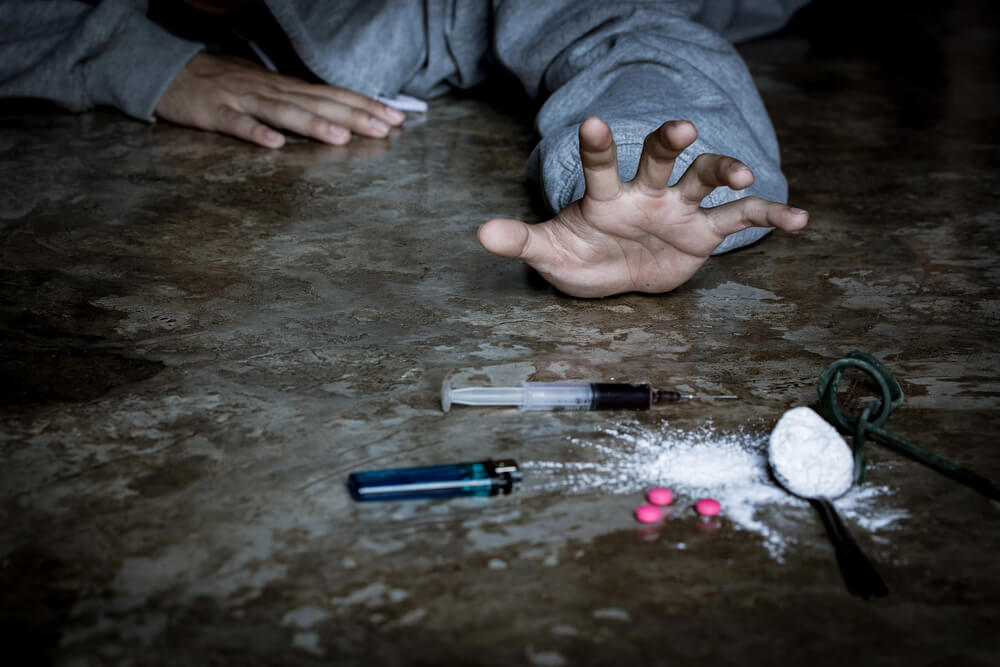
Drug addiction isn’t something easy to spot a mile away. In fact, it doesn’t always announce itself based on one obvious moment. Instead, it slowly rewrites the routines from “just this once” into “just to get through today.”
Some telltale signs include the secrecy becoming tighter and the consequences becoming more severe, the person insisting they’re okay, and everyone else in the house quietly rearranging their lives around the substance.
It’s quite common for people struggling to figure out whether what they’re seeing is just a “normal experimentation,” stress-coping, a mental health spiral, or addiction. The hard part is that addiction can still look functional for an extended period of time. People can cling to their jobs, attend school, and still be losing control behind the scenes.
What Counts as Drug Addiction?
Many people carry the same private question for years: whether what they’re doing is an actual “problem” or just a season. Drug use can look very different from the outside, quiet, functional, chaotic, hidden, celebrated, and families often don’t really get clarity until something breaks.
Drug Addiction
According to the American Psychiatric Association, substance use disorder (SUD) is known as an “uncontrollable use” despite there being harmful consequences. In the worst cases, even day-to-day functioning is impaired.
Here are two things that are grossly misunderstood.
- Dependence isn’t the same as addiction: A person’s body can develop tolerance to withdrawal to medications taken as prescribed without the person having addiction. Addiction is more of a pattern, which can be seen in compulsive use, escalating harm, and impaired control, especially when it starts to become a larger priority.
- “High functioning” doesn’t mean “not addicted”: Many people with SUD are still capable of retaining jobs, going to school, being a parent, or even running a business. All until the scaffolding starts to collapse.
Sometimes, mild SUD may respond well to early intervention and outpatient treatment. A severe SUD often needs medication, structured treatment, and longer-term recovery.
Most Commonly Abused Drugs in 2025
When people ask about “what’s common,” they often mean two things:
- What’s most widely used (prevalence)
- What’s most likely to cause severe harm quickly (overdose risk, contamination, potency)
Based on statistics, the latest broad snapshot comes from the United Nations Office on Drugs and Crime’s (UNODC) monitoring:
- In 2023, 316 people were cited as using drugs
- Cannabis remained the most popular substance, with around 244 million people using it
- Harder substances like amphetamines had 30.7 million users
- Party drugs like ecstasy/MDMA had around 21 million users
Short & Long-Term Physical/Mental Effects
The most common perception of addiction is that it “makes you crave” something, which is correct in some way, but that just scratches the surface. There are both short- and long-term effects of drug addiction, with some quite severe.
| Short-term risks | What it looks like |
| Overdose and respiratory depression | This is especially common with opioids and can cause a person to breathe slowly, experience drops in oxygen, and, in cases, even cause the heart to stop. |
| Cardiac strain | This can happen with stimulants and can cause very dangerous blood pressure spikes, arrhythmias, and increased stroke risk. Additionally, it can cause agitation and paranoia that can later lead to injury. |
| Accidents and injuries | People using substances are at risk of this due to impaired judgment, slowed reaction time, and risky behavior resulting in falls, crashes, and violence. |
| Polydrug interactions | Opioids and benzodiazepines are a classic deadly combo, sometimes even mixed with alcohol. The FDA has warned that in serious cases, this can result in death. |
Short-term effects may be more noticeable because they typically occur in the moment. When these short-term effects become serious, it is recommended that individuals seek help before they worsen.
With regard to long-term effects, these can be cumulative and manifest as a “mysterious decline.” Sometimes the effects are so gradual that people don’t really notice them until they’re deeply suffering.
| Long-term risks | What it looks like |
| Brain and mental health | Chronic substance use can be linked to higher rates of depression, anxiety, and even the worsening of underlying vulnerabilities. |
| Infectious disease risk | When taken through injection, the risk of diseases like HIV or hepatitis dramatically increases, plus the damage to the skin and soft tissue infections. |
| Sleep disruption, hormonal changes, weight loss/malnutrition | This type of change doesn’t always happen until it’s too late. Sleep disruption can manifest as insomnia, hormonal changes that affect mood, and weight loss/malnutrition, with loss of both fat and muscle. |
| Cognitive effects | When used during the beginning of adolescence, substance use can have heavy effects on cognitive function. The CDC highlights that use of cannabis during adolescence can affect thinking, memory, learning, and coordination. |
Warning Signs in Adults & Teens
The clearest warning sign is not the substance itself but its trajectory. This includes more time using, more consequences, less secrecy, and even less ability to stop.
Warning signs more common in adults:
- Using to cope: Some people start off using just trying to cope with stress, sleep, grief, and sometimes trauma. But this can later lead to needing the substance just to feel “normal.”
- Work problems: When someone starts using, they may miss deadlines, disappear occasionally, cause accidents, or experience sudden mood swings.
- Financial leakage: There have been many stories of people, sometimes who seem already established, losing it all due to unexplained spending, borrowing, missing bills, or, in drastic cases, selling items just to feed the addiction.
- Relationship strains: For those who start prioritizing substance usage, this can lead to lying, broken promises, isolation, and even escalating conflict.
- Health changes: Constant usage, as explained earlier, can lead to physical damage, including infections, weight changes, poor sleep, tremors, and seizures.
Warning signs more common in teens
Teens can be quite tricky since adolescence already includes mood swings and boundary-pushing, which some would associate with addiction. However, some specific things are noticeable, like clusters and sudden shifts:
- School drift: Although not directly related, a sudden drop in grades can sometimes mean something is off. Further declines, such as disciplinary issues or withdrawal from activities, can be stronger indicators.
- New secrecy: Although this can be common among adolescents, there are specific signs parents can watch for, such as hiding the eyes, hanging out late, or even evasive secrecy.
- Personality changes: While mood shifts are normal, sometimes extreme shifts can be a sign of something deeper. Watch out for irritability, flatness, anxiety or unexplained anger or apathy.
- Physical cues: These are more obvious signs of substance use, including red or glassy eyes, frequent colds, lack of appetite, strange sleeping patterns, or even recurring nausea.
- Risk-taking: While this aligns closely with rebellion, watch for the adolescent constantly trying to sneak out, fight, or, in worst cases, steal.
Red flags to watch out for include suicide talk, extreme confusion, fainting, chest pains, hallucinations, unconsciousness, discoloration, or breathing irregularities. When this happens, seek professional help immediately.
Stages of Drug Addiction
Identifying stages makes the messy reality of addiction feel more orderly. While real life is less tidy, patterns may recur.
- Experimentation/exposure: This is when someone starts with just curiosity, peer influence, social acceptance, and boredom.
- Regular use: From light usage, substance abuse can start when a person engages with them as part of a routine or at least more frequently.
- Risky use: While some would start off subtly, this can change into riskier usage, which can result in consequences starting to appear, obligations being missed, conflicts, mixing substances, physical or psychological harm, or even legal trouble.
- Dependence (tolerance/withdrawal may appear): Not only will the addict engage in riskier behavior, but they might also increase their usage, therefore expediting the damage.
- Addiction/severe SUD: This is when the use continues despite the damage happening at scale. Control starts to erode, and the substance starts to become central, taking over other aspects of their life like time, money, planning, relationships, and identity.
- Treatment, recovery, relapse (sometimes): Relapse isn’t a “stage” that everyone goes through, but it is common and shouldn’t be taken as a failure. Sometimes it’s part of the recovery process, and some people might go through relapse a few times before finally recovering.
Treatment Options (detox, inpatient, outpatient, MAT)
Treatment isn’t a single event, and sometimes people suffering from addiction need a mix of different treatments for it to take effect.
Detox (medical withdrawal management)
Detox helps the body stabilize while withdrawal is monitored and treated. This form of treatment is useful when withdrawal can be medically dangerous.
Inpatient/residential treatment
Residential treatment provides structure, monitoring, and therapy in a single setting. Although recommended for severe cases, some people treat this as a last resort.
Outpatient and intensive outpatient programs (IOP)
Many people recover without residential care, especially when they have stable housing and support. IOP can offer several sessions per week while the person continues working or attending school, often a better fit than disappearing for 30 days and returning unchanged.
MAT/medications for addiction treatment
For certain disorders, medical treatment is no longer optional but necessary. For opioid users, for example, medications like methadone and buprenophine can be used to substitute their addiction while the patient is in recovery.
Therapy and recovery supports
Behavioral treatments can vary depending on the person and substance, but common forms of therapy that have been shown to be effective include:
- Skills-based therapy
- Family-based support
- Peer recovery groups
- Motivational interviewing (MI), which the Substance Abuse and Mental Health Services Administration (SAMHSA) describes as an evidence-based technique for resolving problems and strengthening commitment to change
Success Rates & What Actually Works
When people ask about ‘success rates,’ it helps to clarify what success means in addiction care: fewer overdoses, longer time engaged in treatment, reduced use, and steadier functioning.
Relapse can happen. The National Institute on Drug Abuse (NIDA) notes relapse rates for substance use disorders are often in the 40-60% range, so most evidence-based plans focus on long-term support, not a single one-time program.
- Inpatient/residential treatment: Residential care can be useful for difficult or unstable situations, but outcomes improve most when it’s paired with step-down care and a real aftercare plan.
- Outpatient and IOP: IOPs are a strong middle ground for many people; a major review found IOPs are as effective as inpatient treatment for most individuals.
- MAT/MOUD: For opioid addiction, medications like methadone and buprenorphine are linked with substantially lower mortality risk during treatment compared with periods out of treatment.
- Therapy and recovery supports: Continuing care after initial treatment shows at least modest benefits, especially when it’s structured and sustained instead of ‘come back if you relapse.
How to Stage an Intervention
Many interventions fail because they are structured like a courtroom, including surprise confrontations, emotional speeches, and threats. This can have a more negative effect on the person rather than helping them.
One evidence-based family approach is CRAFT (Community Reinforcement and Family Training). In a randomized study summarized in the literature, concerned significant others trained in CRAFT were more likely to have a treatment-refusing loved one enter treatment (reported as 64% within 6 months) than with a Johnson-style intervention (30%) or Al-Anon facilitation (13%).
A practical way to stage an intervention (without turning it into a blow-up):
- Pick the goal for this moment. Choose among assessment only, detoxification only, or a visit to the physician as a goal. Try not to solve someone’s whole life for them.
- Choose the right people. Ideally, there should be only one or two additional people so it doesn’t feel like an attack.
- Safety plan. If there’s a history of violence, severe paranoia, or weapons in the home, involve professionals first.
- Use clear, specific observations. Don’t talk in terms of emotions; talk in specific observations and describe what happened, focusing less on your thoughts or sharp statements.
- Offer immediate next steps. Have phone numbers ready. Know the nearest clinic. Know what insurance/payment looks like.
- Set boundaries you can actually keep. When setting a boundary, it is important to follow through.
- Expect emotions. Don’t argue about the past and always try to push forward, focusing on the next step.
Immediate Help Resources
Should someone be in immediate danger, including overdose, unresponsiveness, trouble breathing, seizures, threats, or self-harm/violence, ensure to call local emergency services immediately:
- For crisis support (including substance use crises), the 988 Suicide & Crisis Lifeline in the U.S. can be reached by call/text/chat at 988
- SAMHSA also lists helplines and treatment-finding resources, including FindTreatment.gov, which provides U.S. service information.
If you’re outside the U.S. (or supporting someone abroad), Find a Helpline lets you search country-by-country for local crisis lines. The International Association for Suicide Prevention also points people to local emergency services and supports.
FAQ
Is it addiction if the person can stop for a week?
Not necessarily; temporary cessation doesn’t rule out SUD. Many people can white-knuckle short breaks and still have impaired control over time, escalating consequences, or relapse cycles.
Can someone be addicted if they were prescribed the medication?
Yes. Prescription origin doesn’t protect against addiction. What matters is the pattern (loss of control, compulsive use, harm). Also, physical dependence can happen with prescribed use without addiction; this is why medical assessment matters.
Do people have to “hit rock bottom” to get better?
No. Waiting for rock bottom can mean waiting for overdose, jail, or irreversible health damage. Earlier intervention usually gives more options.
What should I do if I find drugs or paraphernalia?
If there’s an immediate risk (unconsciousness, overdose signs), call emergency services. If not, document what you found, consider safety (especially with children in the home), and use it as one concrete data point in a calm conversation aimed at obtaining assessment/treatment, not a screaming match.
What if the person refuses treatment?
That’s common. Family approaches such as CRAFT were designed specifically for treatment-refusing loved ones and can improve the likelihood of engagement. Even without formal programs, you can tighten boundaries, stop financing use, and keep offering clear on-ramps to care.