Addiction Aid offers reliable information about substance use and recovery options. We’re a team of addiction specialists, advocates, and people who’ve been through recovery ourselves. We know this territory firsthand, and we understand that substance use disorders are health conditions that require care and support, not judgment.
Maybe you’re dealing with substance use personally. Maybe you’re worried about someone you care about. Or maybe you’re just trying to understand what treatment actually looks like. Whatever brought you here, we’re glad you found us.
There’s no one-size-fits-all approach to recovery. What works for one person might not work for another, and that’s okay. Our job is to give you solid, evidence-based information about how addiction works, what treatment options exist, and where to find support, so you can figure out what makes sense for your situation.
You’re not alone in this. Let’s explore the path forward together.
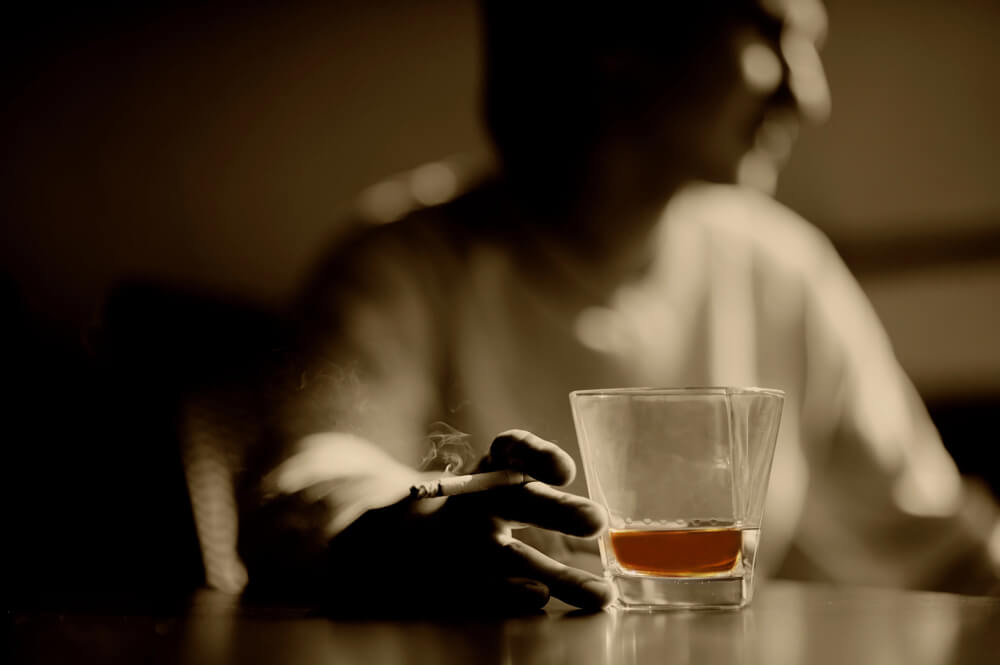
Is drinking beginning to cross a line for you, or for someone you care about? Discover the early red flags and deeper warning signs of alcohol dependence, and learn what real steps can help you slow down, stop, and take your life back.

Is gambling starting to feel like more than just a habit for you, or for someone close to you? Learn how to spot the subtle and not-so-subtle signs of compulsive gambling, and discover practical ways to regain control before it takes a heavier toll.
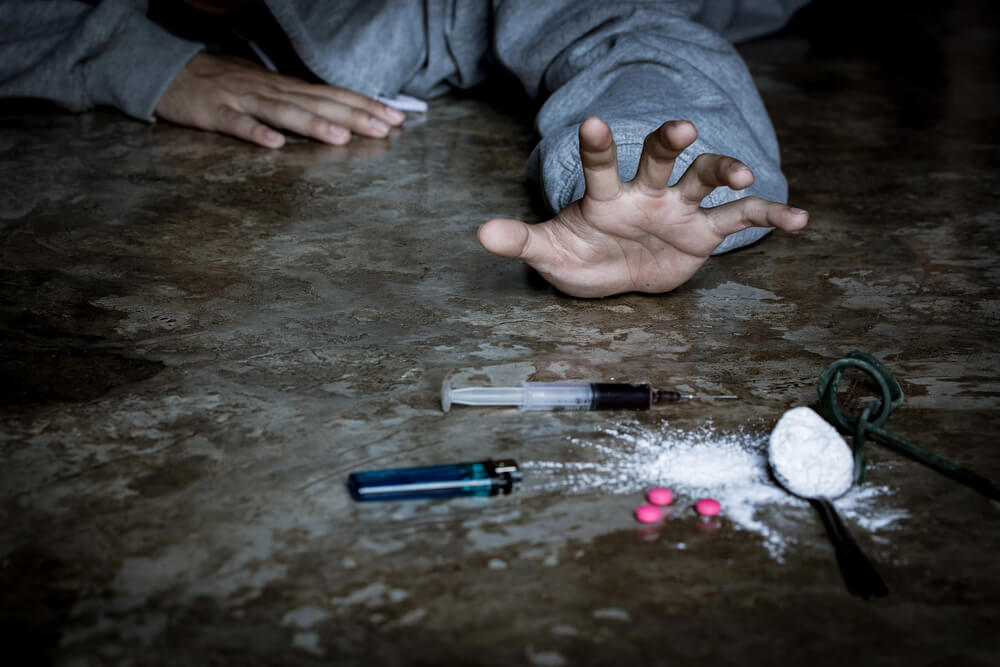
Are drugs quietly taking up more space in your life, or in the life of someone close to you? Learn how to recognize the signs of drug addiction and explore realistic, compassionate ways to break the cycle and move toward recovery.
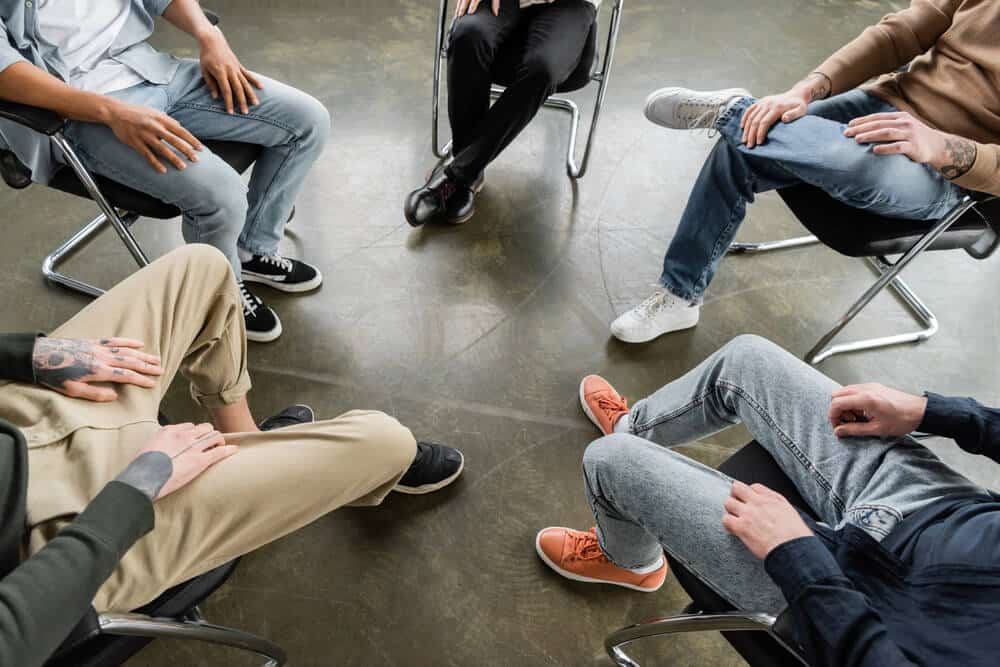
Behavioral addictions show up as an almost magnetic pull toward a rewarding activity that does not involve substances, like gambling or gaming, where someone keeps going back even when they know, deep down, it is costing them more than it gives back.
Addiction is a medical condition affecting brain chemistry and behavior. The brain’s reward system gets rewired in ways that make stopping incredibly difficult, even when someone genuinely wants to quit. This isn’t about weak willpower. The changes happening in the brain create powerful urges that override logic and good intentions. Like diabetes or heart disease, addiction requires proper treatment and ongoing management.
There’s no magic threshold. Look at the patterns. Using more than intended? Trying to cut back without success? Spending significant time obtaining or using substances? Continuing despite obvious harm to work, relationships, or health? Needing more to get the same effect? When substance use causes problems you can’t seem to fix, that’s the signal to get help.
Sometimes people quit on their own, particularly in earlier stages. However, professional treatment dramatically improves success rates and reduces risks. With alcohol and benzodiazepines, withdrawal can be life-threatening without medical supervision. Seeking professional help isn’t weakness, it’s strategy.
Multiple approaches show strong evidence: medications combined with counseling, cognitive-behavioral therapy, residential programs, peer support groups. Effective treatment usually combines methods tailored to individual circumstances. What helps your neighbor might not work for you. Finding the right combination takes some trial and adjustment.
Relapse occurs frequently, just like symptom flare-ups with diabetes or asthma. It indicates the need for treatment adjustment, not personal failure. The objective is quick response, plan modification, and forward movement. Each recovery attempt provides valuable information about effective strategies and necessary changes.


Robbie Mckee

Kelly Blum

Milly Crown

Julius Coulson
The word “addiction” has degraded from something so critical to something people casually say to a friend, like “I’m addicted to coffee, or “I’m addicted to my phone,” but clinically, addiction is very serious, and while it seems to have lost its sting, its meaning is something people should remember and be sensitive to. Addiction is about losing control, continuing despite harm, and even watching a behavior cloud everything else around until even some of the most important things in life seem to lose value.
According to the American Society of Addiction Medicine (ASAM), addiction isn’t the end. It is a treatable, chronic medical disease that is somehow shaped by brain genetics, circuitry, environment, and life experience. Addiction can involve substances or behaviors that become compulsive, acting as a force so strong that some people continue despite clear harmful consequences.
This frame is very important because it allows us to look past one of the most overlooked side effects of addiction, shame. Addiction is not a moral failure; it’s a health condition, and one that can be helped with early support, proper treatment, and, of course, a realistic and accurate understanding of what recovery actually looks like.
Some people box addiction as just a “series of bad choices,” but it’s actually a long-term pattern that affects even the brain and how it processes reward, motivation, stress, and self-control.
According to research summarized by the U.S. National Institute on Drug Abuse (NIDA), repeated substance use can over-activate the brain’s reward system. This process involves dopamine and often strengthens the association between the substance and “relief” or “reward,” two things that may seem similar but are actually very different.
Addiction can also compromise self-control and decision-making, which makes it harder for an individual to stop. It can even make the individual more sensitive to triggers, including places, people, emotions, or stress, which results in intense automatic cravings.
This is why the typical “stop and everything is fixed” doesn’t work. The brain itself needs time and support in order to destroy bad habits and rebuild healthier patterns through therapy, medication when needed, social stability, and relapse-prevention strategies.
Addiction looks different for everyone and can vary depending on the addictive substance or behavior, but there are some common telltale signs we can watch out for.
Important note: This checklist is not a diagnosis; it’s a list of signs that may be present, and when the signal becomes strong, it may mean taking the situation more seriously.
Addiction is often used as an umbrella term, but to be more specific, we can divide it into two broad categories: substance-related and behavioral addictions.
This section talks about the different addictions based solely on substances.
Alcohol addiction is among the most common kinds of substance-related addictions, known as a psychoactive substance that can cause dependence by definition. According to estimates from the World Health Organization (WHO), alcohol consumption caused 2.6 million deaths worldwide in 2019 alone, with alcohol-related illness and injury being the cause of these deaths.
Interestingly, tobacco is referred to as one of the world’s largest “preventable health threats.” According to WHO estimates, tobacco kills over 7 million people annually, including approximately 1.6 million nonsmokers through secondhand smoke.
The scale of illegal drug and prescription abuse is enormous, with the United Nations Office on Drugs and Crime reporting that 292 million people used drugs in 2022. This marked a 20% increase over the last 10 years. The report also states that while 65 million people struggle with drug use disorder, only one in 11 receives treatment.
This section talks about addictions based on behavior, though in some cases, they can also be combined with substances.
This is one of the most common types of behavioral disorders, with the WHO estimating that about 1.2% of adults worldwide are suffering from or have been harmed by gambling-related addiction. The consequences include higher risks to mental health and can affect relationships beyond just the gambler.
Interestingly, this type of addiction gets praise from some people and is often highly valued in society. However, being addicted to work can also harm other areas of life, including family, friends, and health. This doesn’t mean that all hard workers are addicts. Going back to the behavioral definition, a workaholic becomes an addict when they obsess over work at the cost of everything else.
This type of addiction can show up in different behaviors, such as computer addiction or addiction to inappropriate content. It can also differ across systems and countries.
The complexity of compulsive behaviors lies in the difference between a strong habit and a true clinical “addiction.” Because of differences in some systems and countries, classifying compulsive behaviors as an “addiction” can be challenging.
Aside from compulsion, there are also other key characteristics of addiction, including the following:
Just like addiction in general, those with behavioral addiction may suffer from withdrawal and experience distress, anxiety, or irritability when they are unable to engage in their addictive behavior.
While addiction doesn’t have a singular root cause, it’s often a combination of biology, experience, and environment. Some of the key factors can include the following:
A good way to put things is that addiction often starts as relief, but then it becomes routine, and then later on, it even becomes a requirement.
With regards to the risk, some people dealing with addiction fail to see the outward effect their addiction has on people around them, not just themselves. Addiction can destroy families, societies, beliefs, finances, and affect the people around them.
A lot of people defend their addiction by using the term “heavy use,” but they can stop at any time. This is not entirely true. Many people confuse the difference between understanding what addiction is and what heavy use is. We’re here to break it down for you.
This means a person who uses a substance frequently or in large amounts and it might already be causing harm. However, the person still may have meaningful control and could stop when the consequences of the addiction become clear. This is only applicable to substances and not really behavior.
To clarify, addiction can also be formally known as Substance Use Disorder, which is defined less by the amount taken and more by the pattern:
To simplify the difference, if someone repeatedly uses while it is damaging their health, work, finances, or other aspects of their life, and you can’t stop, this moves them beyond heavy use to actual addiction.
While the word “addiction” may be something a lot of people are experienced with, not a lot of them actually understand what it is. Even worse, some people strongly believe popular myths, which can make the situation more difficult for the person trying to recover.
Here are some of the common myths and the truth behind them:
Addiction is medically acknowledged as a chronic medical condition that involves the brain and behavioral mechanisms, putting it far past just a character flaw.
The earlier someone gets help, the better. The belief that one needs to hit rock bottom in order to change can be true for some, but it is definitely not a requirement. In fact, changing becomes much more difficult the further along someone is when it comes to addiction.
According to ASAM, addiction is treatable, but it’s important to note that treatment outcomes are comparable to those of other people with chronic diseases, especially when those people have access to sustained care and follow-up.
Drug addiction isn’t the only addiction out there, which is why this article also introduces gambling addiction and compulsive behaviors. The WHO describes gambling disorder as something that causes substantial health and social harm, even when it is below the “clinical” thresholds.
For a lot of people, relapse is actually part of the chronic-condition pattern. The ultimate goal is to reduce harm, increase stability, and, of course, improve a person’s outcomes over time. The goal isn’t to chase perfection but to see improvement despite some people relapsing.
If you feel like you’re addicted to something or might know someone who might be suffering from addiction, consider seeking help if you or they:
If the points mentioned above resonate with you, the practical next steps in life don’t have to be so scary.
Here are some things you can do:
If there’s immediate danger, which could include overdose risk, violence, or grim thoughts, it’s important to seek emergency services right away. Once again, you don’t need to wait until it’s too late to ask for help.
Sources: